“The way of the universe is the Middle Way; harmony is its universal and constant law.”
— Confucius (551–479 BC)
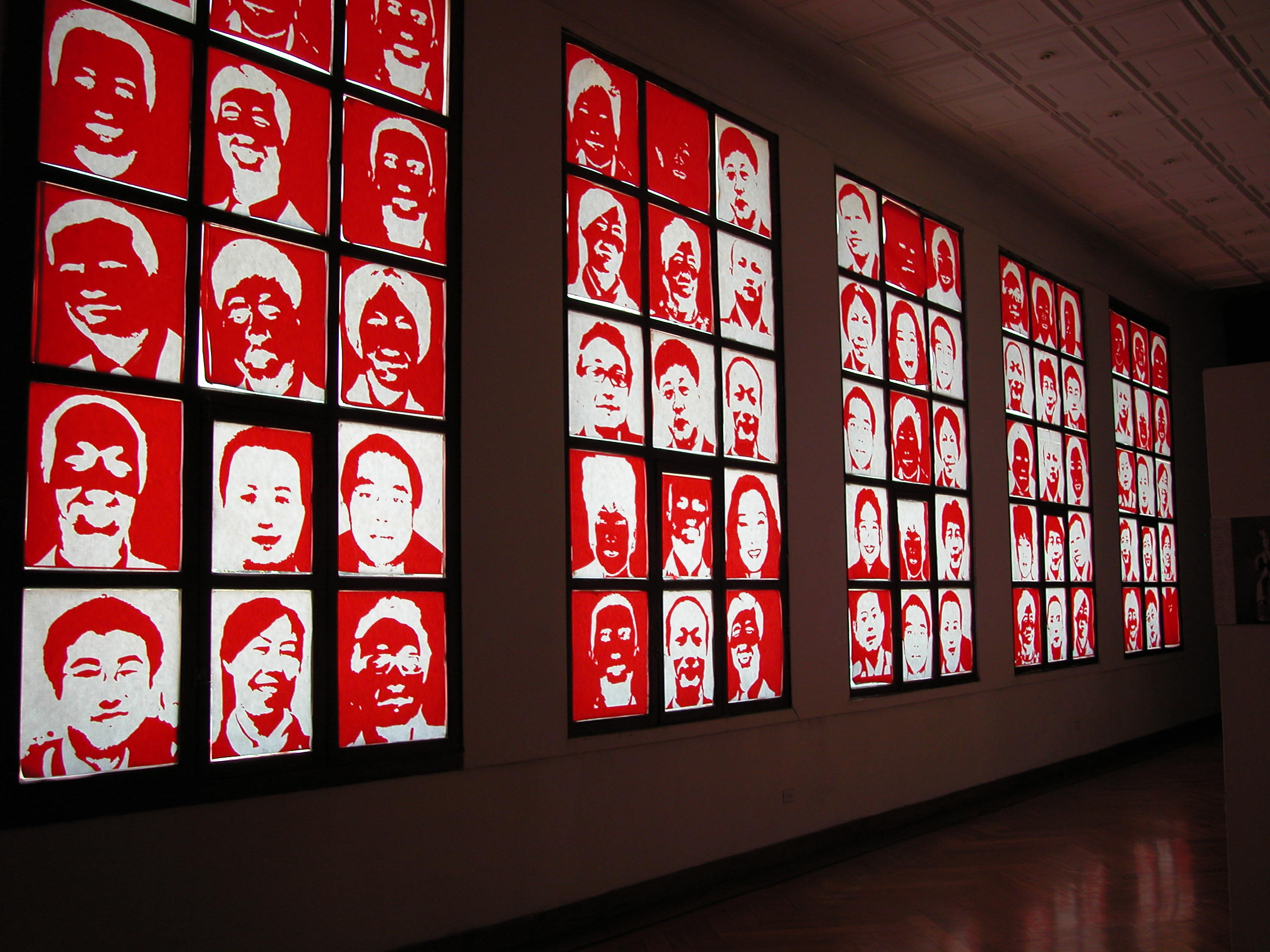
Zhongguó, meaning “the Middle Kingdom” or “central land”, gives rise to the title The Middle Way, an exhibition that explores the encounter between Ecuador and China through the experiences of four Ecuadorian women artists who studied and lived in China between 1986 and 2003.
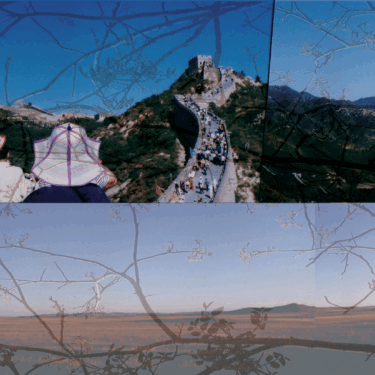
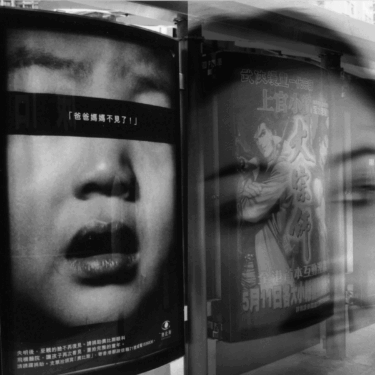
The exhibition brings together artworks, photographs, videos, documents, and personal objects, forming an archive of memory and lived experience. These materials reveal the transformations China underwent during this period, as well as the traces this cultural encounter left on the artists’ lives and artistic trajectories.
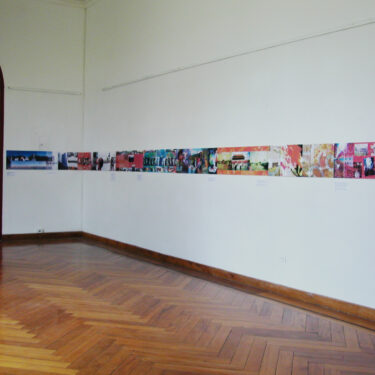
Initiated by Diana Valarezo, a timeline was developed using the artists’ personal photographic archives. This visual narrative weaves together their individual stories with the 25 years of diplomatic relations between Ecuador and China, transforming personal memories into a collective account.
Rather than reconstructing history, the exhibition offers an approach grounded in lived experience: the passage between the unfamiliar and the familiar, between learning, transformation, and memory. Within this journey, artistic practice becomes a space for translation between cultures and for reflection on identity, belonging, and displacement.
The title The Middle Way refers to the Confucian search for balance and harmony, while also evoking the in-between space that emerges from living between two cultures. The exhibition thus celebrates the dialogue between Ecuador and China and, at the same time, expresses recognition and gratitude for the knowledge, experiences, and perspectives that have enriched the artists’ practices and lives.
Crowds, an ancient history,
constant change,
facing
stillness, mountains, sky,
home,
and an unstable political reality.
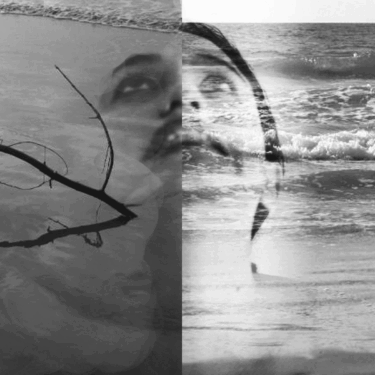
The duality of belonging
to two worlds.
An identity in transformation.
Knowing oneself to be from a place
and, at the same time,
feeling like a foreigner in one’s own homeland.
An identity that fragments
and is rebuilt.
Living with duality.
Seeking balance.
Embracing contradiction.
Finally finding
the Middle Way.
Diana Valarezo
Quito, September 2005