“Every face is a planet waiting to be discovered.”
— Guy Ferrer
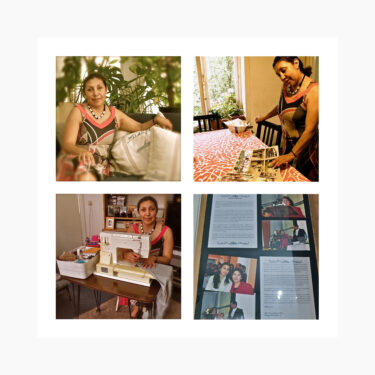
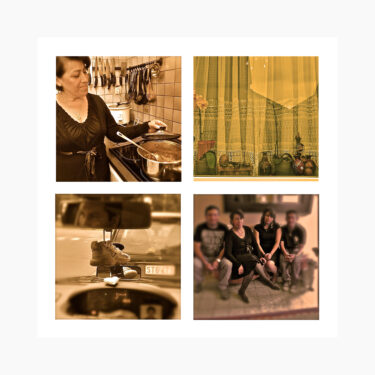
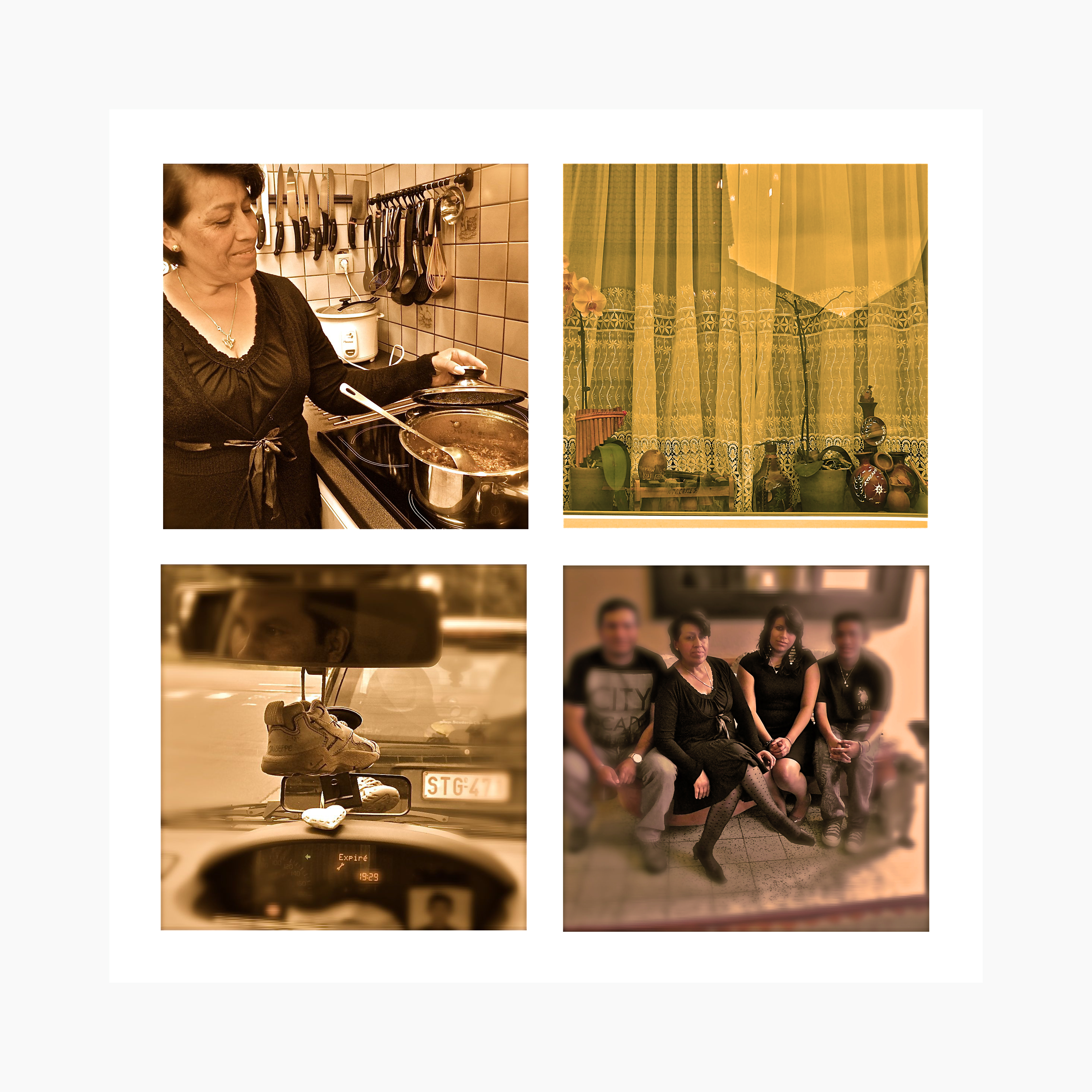
*My Space* is a photographic project bringing together the portraits and personal stories of ten Ecuadorian women who have migrated to Belgium. The portraits were taken in their homes or workplaces, spaces each participant chose as her own and in which she recognised a part of her identity.
Through conversation and portraiture, the project explores the relationship between *memory, migration, belonging and identity*. Everyday spaces become an extension of the body and personal history: intimate territories from which each woman reconstructs her connection with her place of origin and with the society that welcomes her.
Drawing also on my own experience of migration in Brussels, the project approaches portraiture as a space of encounter between *the self and the other*, where individual identity is shaped through dialogue with collective experience.
Gloria
“When we left Ecuador, it was because of the terrible economic situation in the country… At that time, Ecuadorians didn’t need a visa. We said we were going on our honeymoon, even though we already had a son whom we left in my mother’s care. We thought we were going to London; it was only a week before leaving that we found out our actual destination was Brussels… Once we were on the plane, I took off my boots because, back then, people dressed elegantly to travel… but my feet swelled up, and I couldn’t get my boots back on…”
— Gloria, 47
Nuria
“I left Ecuador out of desperation. My husband used to beat me, and I got divorced, but being divorced was socially frowned upon. I was considered a woman of loose morals. Besides, my ex-husband still thought he had rights over me, so I decided to run away. I told him I would leave him with our four children, and he didn’t object. He thought it would be better for me to leave and earn money.
When I arrived, supposedly at my sister-in-law’s home, she knew nothing about it. Nobody was expecting me; nobody had told her I was coming. Eventually, she helped me find somewhere to live: a 3-by-3-metre room shared with thirteen other people. I was very naive, but thanks to hard work and perseverance, I now have my children with me.
The only thing that worries me is that I am no longer from here or from there. My children are losing their identity; they are caught between two worlds. But because it was so difficult for me to find my place in this society, and I know how hard it can be, I now volunteer with organisations that support migrants, offering my help free of charge.”
— Nuria, 47